
Communications Management in Intranet Platforms: What’s Changed—and What to Expect in 2026

Communications management is now embedded across most modern intranet and employee experience platforms—but maturity, consistency, and impact still vary widely. This article explores how communications management is evolving in intranet platforms in 2026, where capabilities such as planning, multi-channel delivery, campaigns, and analytics are delivering real value, and how organizations should evaluate these features realistically when planning a new or improved intranet.

Who this article is for: This article is for internal communications teams, intranet managers, and digital workplace leaders responsible for planning, delivering, and measuring internal communications through the intranet.
What this article helps with: It helps clarify which communications management capabilities in intranet platforms are mature enough to use today, which are still evolving, and how to leverage modern features without adding complexity to communication practices.
For many organizations, the intranet remains the only digital channel that reliably reaches every employee. As hybrid work, frontline roles, and fragmented digital workplaces become the norm, this role has become even more critical. Internal communicators are expected to cut through noise, reach diverse audiences, and demonstrate measurable impact—often with limited time and an expanding set of channels.
In response, intranet platforms have evolved beyond simple publishing tools. Over the past few years, vendors have increasingly focused on the needs of internal communications teams, introducing more polished editorial tools, AI-assisted content optimization, expanded multi-channel publishing, and early support for campaign planning and orchestration. As a result, many organizations now expect their intranet to support not just content creation, but the full lifecycle of internal communications.
At the same time, uncertainty remains around how mature these capabilities really are. From a practitioner perspective, the key question has shifted from “How to publish news in this product" to “How effectively does this platform help us plan, coordinate, deliver, and measure communications across channels?” In many cases, the most valuable capabilities are not the most visible ones, but those that quietly improve consistency, relevance, timing, and insight behind the scenes.
This article examines how communications management capabilities are being delivered in intranet platforms in 2026, based on independent product evaluations and market analysis from ClearBox Consulting’s Intranet & Employee Experience Platforms 2026 report. The conclusions are also based on 20+ years of hands-on experience designing, implementing, and sustaining enterprise intranet solutions.
Main findings – how communications management is evolving in intranet platforms
Communications management has become one of the most actively developed capability areas in modern intranet platforms. Across the products reviewed for the 2026 report, vendors have clearly increased their focus on supporting internal communications teams—not just as content publishers, but as owners of ongoing communication flows, channels, and campaigns.
However, while baseline functionality is strong across the market, the maturity and depth of communications management capabilities still vary widely.
Communications management is now a core intranet scenario
One of the clearest shifts in recent years is that communications management is no longer treated as a secondary use case. Most intranet platforms now position themselves explicitly as tools supporting complete communication processes, recognizing that the intranet is often the only channel available to reach the entire workforce.
This shift is reflected in more comms-friendly authoring experiences, clearer editorial workflows, and features designed to support non-technical users. In many platforms, internal communicators can now manage publishing without reliance on IT, which represents a significant improvement over earlier generations of intranet software.
As a result, communications management has become a primary evaluation criterion for many organizations when selecting or upgrading an intranet platform.
Content creation is mature—but optimization is the real differentiator
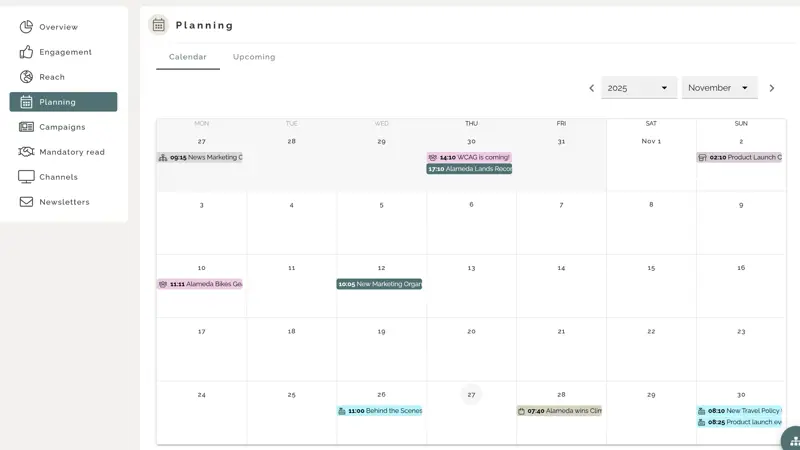
Creating articles, pages, and updates is no longer a differentiator in itself. Most platforms offer solid authoring tools that support rich media, templates, and basic workflow controls. Generative AI has also become commonplace, helping communicators draft content more efficiently.
Where platforms now differentiate is in how they help communicators optimize content. This includes guidance on tone and clarity, recommendations to improve engagement, and tools that support consistency across authors and channels. Some platforms also help identify overlapping or duplicate content, which is increasingly important as content volumes grow.
For practitioners, the focus is shifting from how easy it is to publish to how well the platform supports quality and effectiveness over time.
News flow management remains inconsistent
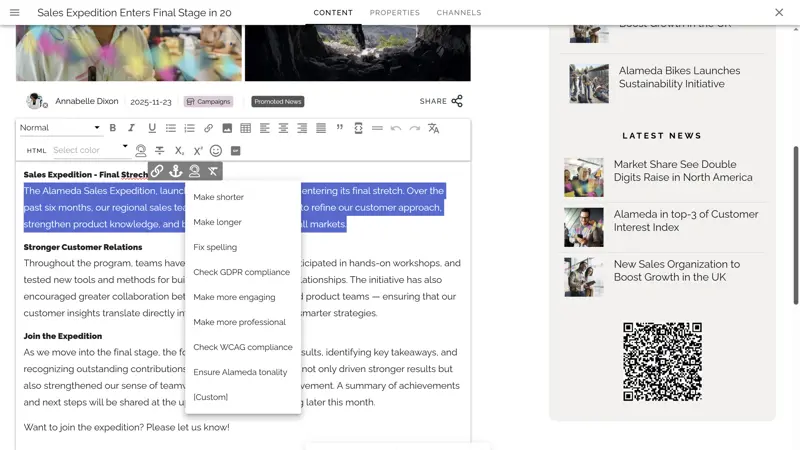
Despite improvements elsewhere, managing the overall flow of communications remains a weak spot in many intranet platforms. While a growing number of products now offer editorial calendars, Kanban-style boards, or planning views, many still rely primarily on simple publish dates and manual coordination.
This limitation becomes more pronounced as organizations add channels such as newsletters, mobile notifications, and digital signage. Without stronger tools to plan, sequence, and prioritize messages, communicators risk overwhelming employees or missing key moments. A small number of platforms are beginning to experiment with AI-supported delivery and timing, but this capability is far from standard across the market.
Multi-channel publishing is improving—but rarely comprehensive
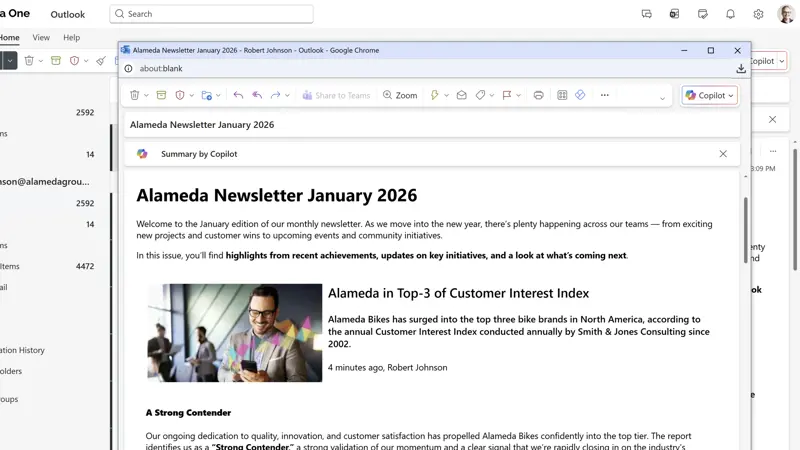
Support for publishing beyond the intranet has expanded noticeably. More platforms now include built-in newsletters, email digests, and digital signage capabilities, reducing the need for separate tools. Some also support sharing content into collaboration platforms such as Microsoft Teams or Slack.
However, truly comprehensive multi-channel orchestration remains uncommon. Many platforms support only a limited set of channels or require communicators to adapt content manually for each one. As a result, internal communications teams often continue to manage multiple tools in parallel, highlighting an ongoing opportunity for intranet platforms to better support a “create once, publish everywhere” approach.
Campaign management is emerging—but still immature
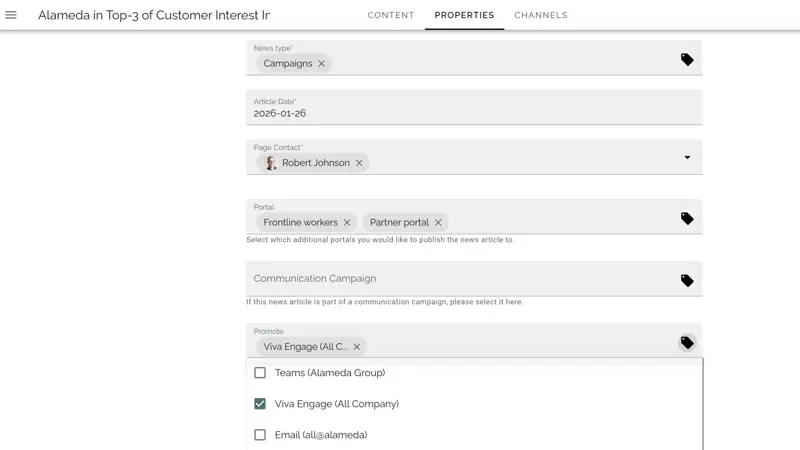
Campaign management is a relatively new focus area for intranet platforms and one of the least mature aspects of communications management. While some products now allow communicators to group content under themes or initiatives, few offer robust tools for planning, tracking, and evaluating campaigns end to end.
Where campaign features do exist, they tend to be simple but promising—providing a foundation for organizing content and measuring performance across multiple touchpoints. For practitioners, this is an area to watch closely, as campaign management is likely to become a key differentiator as platforms continue to evolve.
Communications analytics remains uneven
Analytics is another area where expectations are rising faster than platform capabilities. Basic metrics such as views, likes, and reach are widely available, but deeper insights—such as campaign performance, comparative analysis, or actionable recommendations—are far less common.
Some platforms are beginning to introduce AI-supported analytics that surface trends or suggest improvements, but these capabilities are inconsistent. As internal communications teams are increasingly expected to demonstrate impact, the lack of robust, comms-focused analytics remains a notable gap in many intranet platforms.
Where communications management capabilities are heading
Communications management in intranet platforms is entering a new phase. While most platforms now provide solid tools for publishing and distribution, the next wave of development is focused on helping communicators plan, orchestrate, and measure communications more effectively across an increasingly complex digital workplace.
From publishing tools to communication orchestration platforms
The most significant shift is a move away from viewing intranets as places to publish individual articles, toward using them as systems for managing ongoing communication flows. Communicators are increasingly expected to plan messages over time, coordinate across channels, and align content with organizational priorities.
In response, intranet platforms are likely to invest more in features that support orchestration—such as stronger editorial calendars, campaign planning views, and tools that help sequence and prioritise messages.
AI supporting optimization rather than creation
While generative AI is now common for drafting content, its future value lies in optimization. Platforms are increasingly using AI to recommend improvements to clarity, tone, and structure, and to suggest better delivery times or targeting based on behavior and metadata. Used well, these capabilities help reduce noise and improve relevance without removing human control.
Stronger multi-channel coordination
As internal communications span intranets, email, mobile apps, digital signage, and collaboration tools, future platforms are expected to place greater emphasis on unified management. This includes clearer channel-specific guidance, better integrations, and workflows that reduce duplication of effort for communicators.
Campaign-based communications becoming standard
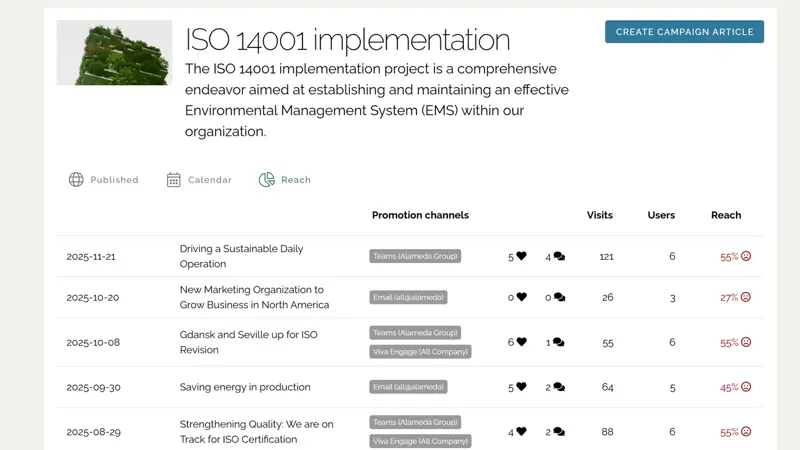
Campaign management is likely to become a standard capability rather than an optional extra. Future platforms are expected to offer more structured ways to define campaigns, group content, track progress, and evaluate outcomes across channels—supporting a more strategic approach to internal communications.
Analytics evolving from reporting to insight
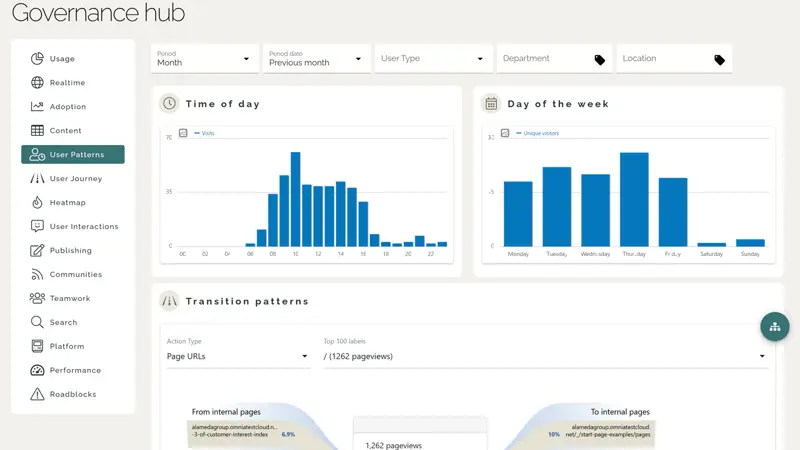
Finally, analytics is expected to move beyond basic reporting toward actionable insight. AI has the potential to highlight patterns, surface anomalies, and recommend improvements in a way that supports continuous improvement without requiring specialist analytics expertise.
How organizations should use this information when planning intranet communications
Strong communications management requires more than good authoring tools. When planning a new intranet or improving an existing one, organizations should:
✔ Start with communication goals and audiences. Clarify what internal communications needs to achieve and who it needs to reach.
✔ Assess support for planning and orchestration. Look beyond publishing to evaluate how well the platform supports sequencing and coordination.
✔ Evaluate multi-channel capabilities realistically. Focus on how the platform reduces duplication and simplifies daily work.
✔ Look beyond content creation to optimization. Prioritize tools that improve quality, consistency, and effectiveness over time.
✔ Treat analytics as a core requirement. Ensure insights are actionable and support ongoing improvement, not just reporting.
✔ Plan for gradual improvement. No platform is perfect—prioritize capabilities that address your most pressing challenges.
Conclusion: Communications management is now a strategic intranet capability
Communications management in intranet platforms has evolved well beyond publishing news. In 2026, the most effective intranets support internal communicators with capabilities for planning, orchestration, multi-channel delivery, and performance insight—helping teams cut through noise, reach diverse audiences, and demonstrate measurable impact.
While most intranet platforms have strengthened their communications management capabilities, maturity still varies. Gaps remain particularly around campaign management, message orchestration across channels, and analytics that provide clear, actionable insight. As a result, communications management should be evaluated not as a standalone feature set, but as part of the intranet’s overall ability to support findability and search, engagement, governance, and platform-wide consistency.
To understand how communications management connects with broader intranet and employee experience trends, explore our blog posts on AI in intranet platforms,information finding and search, community and employee engagement, and platform management and governance.
Explore the full 2026 intranet landscape
This article is part of a series analyzing the key scenarios from the independent Intranet & Employee Experience Platforms 2026 report by ClearBox Consulting.
👉 Read the blog post providing an overview of shifts and capabilities within the intranet space—or download the full Intranet & Employee Experience Platforms 2026 report to benchmark intranet platforms across all scenarios.