
Top 10 Intranet Benefits for Your Digital Workplace

Discover how a modern intranet can transform your workplace by boosting communication, productivity, and employee engagement—starting with these 10 essential intranet benefits and feature examples.

A modern intranet is much more than a digital bulletin board or a place to store documents. It's a strategic platform that connects your people, streamlines access to knowledge, and supports the way your organization works. Whether your teams are hybrid, remote, or globally distributed, a well-designed solution can bring intranet benefits as how your business communicates, collaborates, and grows.
In this post, we break down the top 10 intranet benefits—why they matter, and how they help build a more connected, engaged, and productive organization.?
→ Learn more in this blog on how modern corporate intranet platforms support daily work, connect distributed teams, and deliver measurable business value. »
→ Explore the blog HR Intranet Enhances Employee Engagement: Top 10 Features and Benefits to see how HR intranets drive engagement.»
Intranet Benefit #1: Smarter Communication and Collaboration
An intranet centralizes communication, ensuring employees receive consistent, clear messages—whether they’re at a desk or on the move. From targeted news feeds and announcements to integrated tools for meetings, chats, and shared documents, the intranet brings everything together in one accessible place. It also supports collaboration by housing workspaces, calendars, project templates, and team pages—removing the need to switch between multiple apps. This saves time and fosters more seamless teamwork.
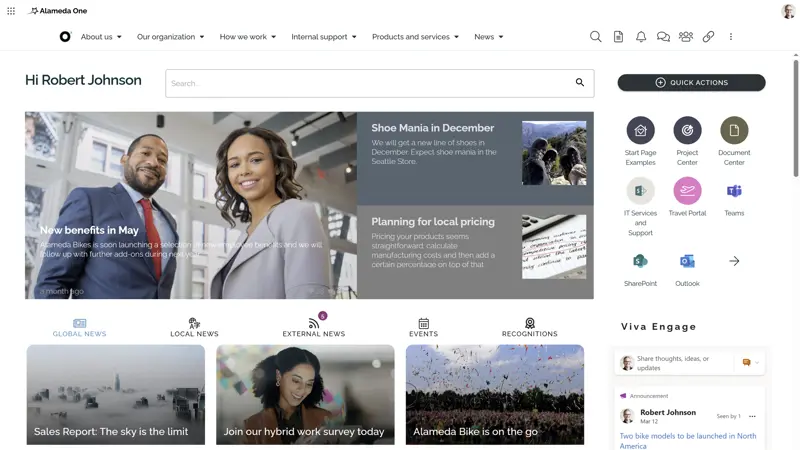
Learn more: Download this document for advice on how to improve internal communication with a modern intranet.
Intranet Benefit #2: Improved Productivity and Findability
A modern intranet acts as the hub of the digital workplace, giving employees one starting point to find tools, documents, policies, people, and processes. With intuitive navigation, metadata, and smart search capabilities (including AI-powered and semantic search), employees spend less time digging—and more time doing. The result: faster decisions, fewer interruptions, and better outcomes.
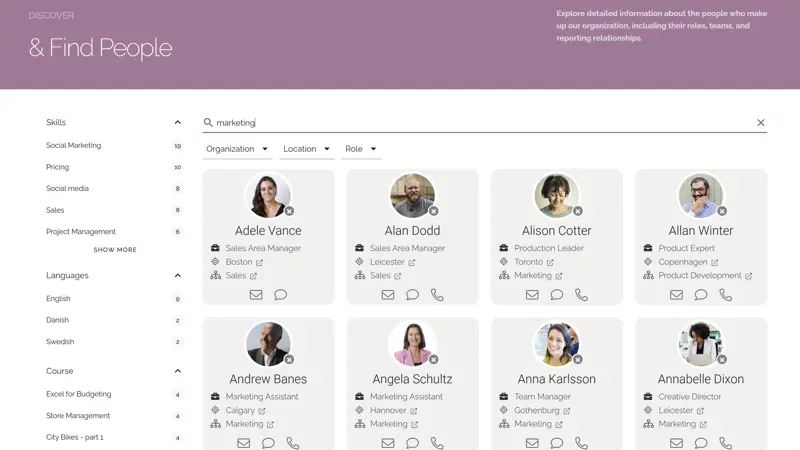
Learn more: Check this blog post out for advice on how to drive productivity with a modern intranet.
Intranet Benefit #3: Stronger Knowledge Sharing and Innovation
A well-structured intranet helps organizations capture and share the knowledge that lives in people’s heads or is hidden in silos. With features like communities of practice, how-to guides, FAQs, blogs, and wikis, intranets make it easy for employees to share insights and learn from one another. This not only supports continuous learning but also fuels innovation—by connecting people with expertise, promoting cross-functional discussions, and encouraging new ideas.
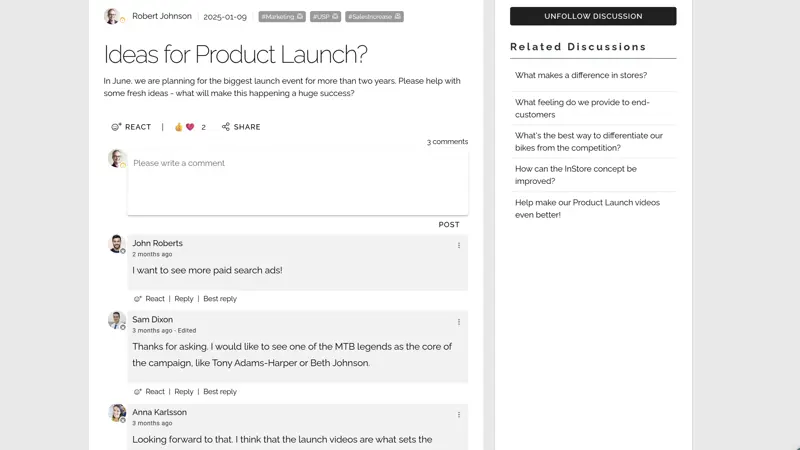
Learn more: Download this document for recommendations on how to elevate knowledge management with a modern intranet.
Intranet Benefit #4: A More Engaged and Connected Workforce
Intranets give employees a voice and a sense of belonging. Through features like commenting, feedback tools, social reactions, polls, and peer recognition, people feel heard and included—no matter where they work. Transparent communication, leadership visibility, and open channels for dialogue strengthen trust and boost employee engagement.
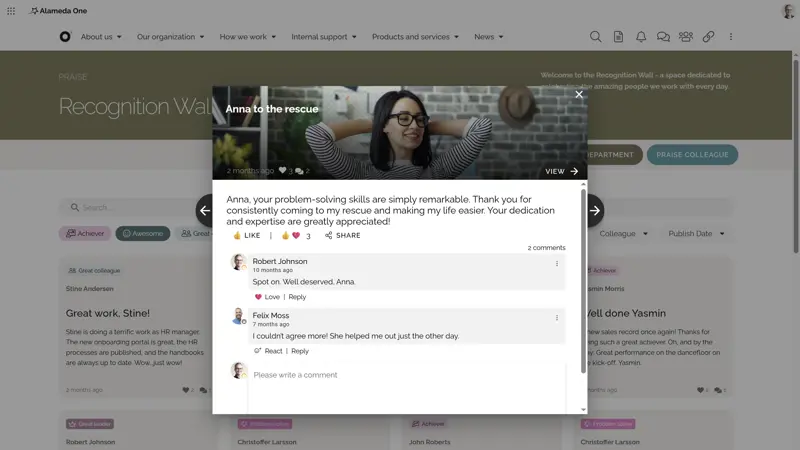
Learn more: Download this document to learn how to drive employee engagement with a modern intranet.
Intranet Benefit #5: Alignment Around Shared Goals and Values
For any organization to thrive, employees need to understand the mission, values, and direction of the business. An intranet provides a central place to communicate company strategy, celebrate progress, and reinforce purpose. When employees see how their work connects to bigger goals, they’re more motivated, more focused, and more aligned with the organization’s success.
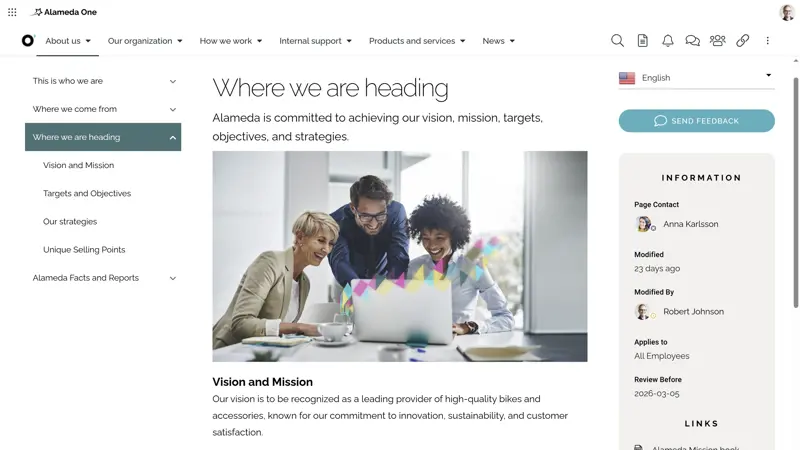
Learn more: Check this blog post out for advice on how to drive intranet adoption.
Intranet Benefit #6: Faster, More Structured Onboarding
A great intranet simplifies onboarding by giving new hires a clear path to follow from day one. With access to onboarding portals, training resources, organizational charts, how-to guides, and contact lists, new employees can quickly get up to speed. It also reduces the burden on managers and HR by centralizing documentation, automating key steps, and making it easier for new employees to find answers on their own.
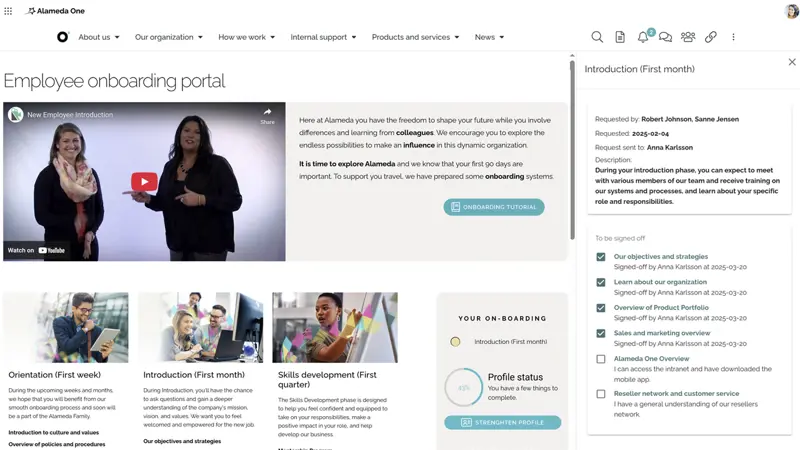
Learn more: Check this blog post out for more information on how a HR-focused intranet enhances employee engagement.
Intranet Benefit #7: Centralized Governance and IT Efficiency
Modern intranets offer IT departments and content managers better control through role-based permissions, publishing workflows, and lifecycle management. This ensures consistency, reduces clutter, and helps maintain security and compliance. By consolidating communication and collaboration tools into one secure platform, intranets also reduce shadow IT and simplify technology management.
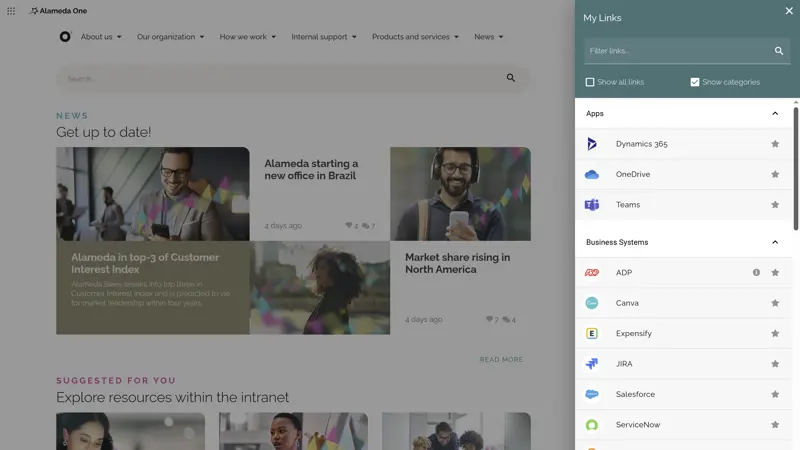
Learn more: Check this video out for an overview of employee communication and engagement, including the capabilities of Omnia.
Intranet Benefit #8: Integration Across the Digital Workplace
Today’s intranets integrate seamlessly with Microsoft 365, HR systems, CRM platforms, and other business-critical tools. This makes the intranet a launchpad for work—connecting employees to everything they need from one place. Fewer logins, fewer tabs, and fewer barriers to getting things done.
Learn more: Check this video out for Omnia's capabilities for an overview of application portals and personalized, unified access to business systems.?
Intranet Benefit #9: Measurable Insights and Continuous Improvement
Built-in analytics help organizations understand how the intranet is being used—from top-performing content to search trends and user engagement. This data enables continuous optimization, ensuring the intranet remains relevant, effective, and aligned with evolving business needs.
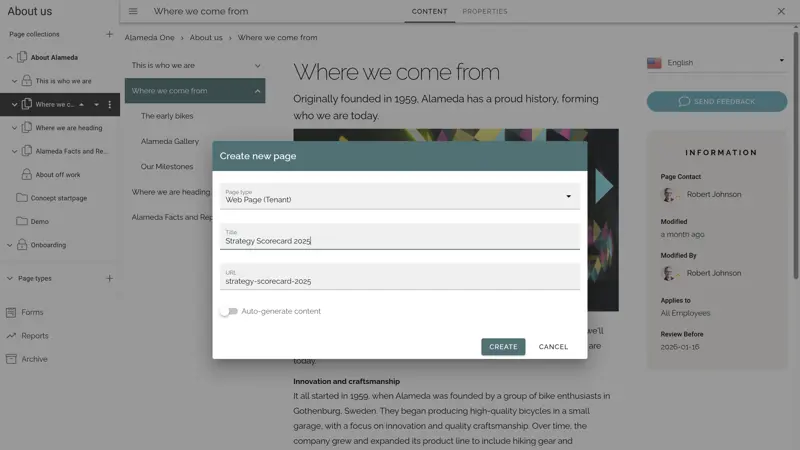
Learn more: Check this blog post out for advice on how to track intranet impact and results.
Intranet Benefit #10: Scalability for Growth and Change
As organizations grow or change—through expansion, mergers, reorgs, or shifts to remote work—the intranet scales with them. Its flexibility allows new teams, tools, and structures to be introduced without disrupting the employee experience. This makes the intranet a long-term asset that supports organizational agility.
Learn more: Download this document to learn about our top advice on how to achieve intranet success.
The Big Picture: A More Unified, Efficient Organization
From productivity and collaboration to engagement, innovation, and governance, the benefits of a modern intranet span every part of the employee journey. Especially in fast-paced, distributed workplaces, the intranet becomes the glue that holds everything—and everyone—together.
When thoughtfully designed and continuously improved, your intranet becomes more than a platform. It becomes a strategic asset that empowers people, strengthens culture, and supports the goals of your organization.
Ready to Unlock These Intranet Benefits? If you're exploring intranet solutions or planning your next redesign, we’re here to help. Discover how Omnia helps organizations deliver smarter communication, better employee experiences, and long-term value.